Expert Stainless Steel Fabrication Services You Can Trust
Updated: Nov 7, 2025
Stainless steel fabrication plays a crucial role in many industries, from construction to manufacturing and even art installations. Choosing the right fabrication service can make a significant difference in the quality, durability, and appearance of your final product. This post explores what makes stainless steel fabrication services reliable and how to select the best provider for your needs.

What Stainless Steel Fabrication Involves
Stainless steel fabrication is the process of cutting, shaping, and assembling stainless steel components to create structures or products. This process includes several key steps:
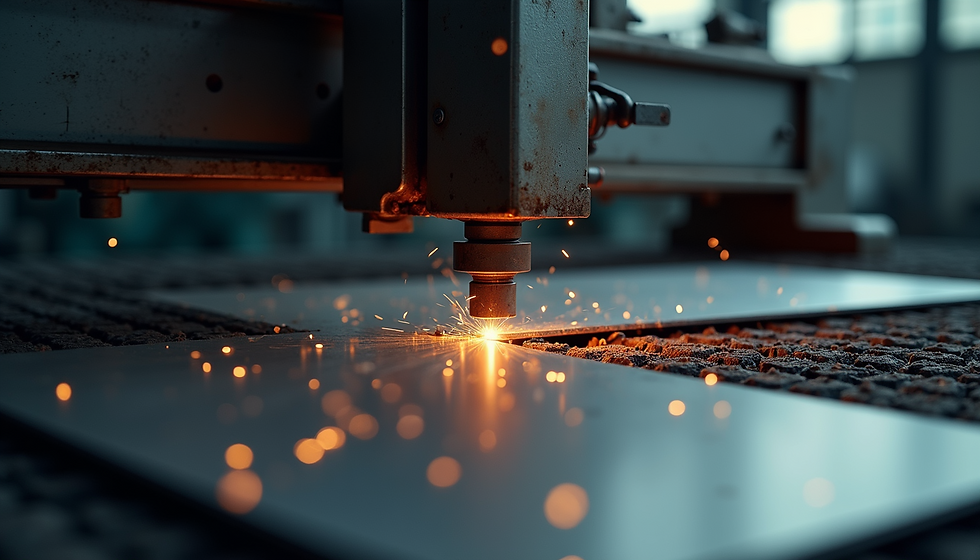
Cutting: Using tools like laser cutters, plasma cutters, or saws to cut stainless steel sheets or bars to precise dimensions.
Bending: Shaping the steel into angles or curves using press brakes or rollers.
Welding: Joining pieces together with techniques such as TIG or MIG welding to ensure strong, clean seams.
Finishing: Polishing, grinding, or applying surface treatments to improve appearance and corrosion resistance.
Each step requires skill and precision to maintain the integrity and strength of the stainless steel.
Why Stainless Steel Fabrication Matters
Stainless steel is prized for its corrosion resistance, strength, and aesthetic appeal. Proper fabrication ensures these qualities are preserved and enhanced. Poor fabrication can lead to weak joints, uneven surfaces, or premature corrosion, which compromises safety and longevity.
For example, in architectural projects, stainless steel railings or cladding must withstand weather and wear without rusting or losing shape. In food processing equipment, fabrication must meet hygiene standards and avoid contamination risks.
Qualities to Look for in a Fabrication Service
When selecting a stainless steel fabrication service, consider these factors:
Experience and Expertise
Look for companies with a proven track record in stainless steel projects similar to yours. Experienced fabricators understand the nuances of working with different stainless steel grades and can anticipate challenges.
Advanced Equipment
Modern fabrication requires precise machinery. Services that invest in laser cutters, CNC machines, and automated welding systems deliver higher accuracy and consistency.
Quality Control
Reliable fabricators implement strict quality checks at every stage. This includes measuring tolerances, inspecting welds, and testing finishes to meet industry standards.
Customization Capabilities
Your project may require unique shapes or finishes. Choose a service that offers tailored solutions rather than just standard products.
Timely Delivery
Delays can disrupt your project timeline. Confirm that the fabricator has a reputation for meeting deadlines without sacrificing quality.
Examples of Stainless Steel Fabrication Applications
Understanding how stainless steel fabrication is used can help you appreciate the importance of quality services.
Architectural Features
Staircases, handrails, and facades often use stainless steel for its sleek look and durability. A well-fabricated railing system not only looks good but also ensures safety.
Industrial Equipment
Tanks, piping, and machinery parts in chemical plants or food processing facilities require stainless steel fabrication that meets strict hygiene and strength standards.
Custom Furniture and Art
Designers use stainless steel to create modern furniture or sculptures. Precision fabrication allows for complex shapes and polished finishes.
Automotive and Aerospace Parts
Components exposed to harsh environments benefit from stainless steel’s corrosion resistance, requiring exact fabrication to fit performance specifications.
How to Ensure You Get the Best Fabrication Results
To maximize the benefits of stainless steel fabrication, follow these tips:
Provide Clear Specifications
Share detailed drawings, material grades, and finish requirements with your fabricator. Clear communication reduces errors.
Request Samples or Prototypes
Before full production, ask for a sample to check quality and fit.
Verify Certifications
Check if the fabricator holds certifications like ISO 9001 or industry-specific approvals that demonstrate quality management.
Discuss Maintenance and Longevity
Ask about recommended care for fabricated products to extend their lifespan.
Review Past Projects
Look at case studies or visit completed sites to assess workmanship.
Common Challenges in Stainless Steel Fabrication
Even expert fabricators face challenges. Knowing these can help you work better with your service provider:
Material Warping
Stainless steel can warp during welding due to heat. Skilled welders use techniques to minimize distortion.
Surface Scratches
Handling and processing can cause scratches that affect appearance. Proper finishing and protective measures prevent this.
Welding Discoloration
Heat can cause color changes near welds. Post-weld cleaning restores the stainless steel’s natural look.
Complex Shapes
Some designs require advanced bending or forming. Not all fabricators have the equipment or expertise for intricate work.
Choosing the Right Stainless Steel Grade
Different projects require different stainless steel grades. Common types include:
304 Stainless Steel
The most widely used, offering good corrosion resistance and formability.
316 Stainless Steel
Better corrosion resistance, especially against chlorides, ideal for marine or chemical environments.
430 Stainless Steel
Magnetic and less corrosion-resistant, used in decorative applications.
Discuss your project environment and requirements with the fabricator to select the best grade.
The Role of Technology in Modern Fabrication
Technology has transformed stainless steel fabrication by improving precision and efficiency:
Computer-Aided Design (CAD)
Allows detailed 3D models and simulations before fabrication.
Computer Numerical Control (CNC) Machines
Automate cutting and bending for consistent results.
Robotic Welding
Enhances weld quality and speed, especially for repetitive tasks.
Laser Cutting
Provides clean, precise cuts with minimal material waste.
Choosing a fabricator that uses modern technology ensures better quality and faster turnaround.
How to Maintain Stainless Steel Fabricated Products
Proper maintenance keeps stainless steel products looking and performing well:
Regular Cleaning
Use mild detergents and soft cloths to remove dirt and prevent stains.
Avoid Harsh Chemicals
Chlorides and acids can damage the surface.
Inspect for Damage
Check welds and surfaces periodically for cracks or corrosion.
Apply Protective Coatings
In harsh environments, coatings can add extra protection.
Final Thoughts on Stainless Steel Fabrication Services
Selecting an expert stainless steel fabrication service means investing in quality, durability, and aesthetics. By focusing on experience, equipment, and clear communication, you ensure your project meets its goals and lasts for years.
If you are planning a project that involves stainless steel, take the time to research and choose a fabricator who understands your needs and can deliver precise, reliable results. This approach saves time, reduces costs, and guarantees satisfaction.
Start by gathering detailed project requirements and reaching out to reputable fabricators for quotes and consultations. The right partner will help you bring your stainless steel vision to life with confidence.

Comments