Customer-Centric Approach to Custom Fabrication Projects
Updated: Nov 7, 2025
Custom fabrication projects often involve complex processes and unique client needs. Success depends on more than just technical skill and precision; it requires a deep understanding of the customer’s goals, challenges, and expectations. A customer-centric approach puts the client at the heart of every decision, ensuring the final product not only meets specifications but also delivers real value.
This post explores how focusing on the customer transforms custom fabrication projects, offering practical insights and examples to help fabricators build stronger relationships and better outcomes.

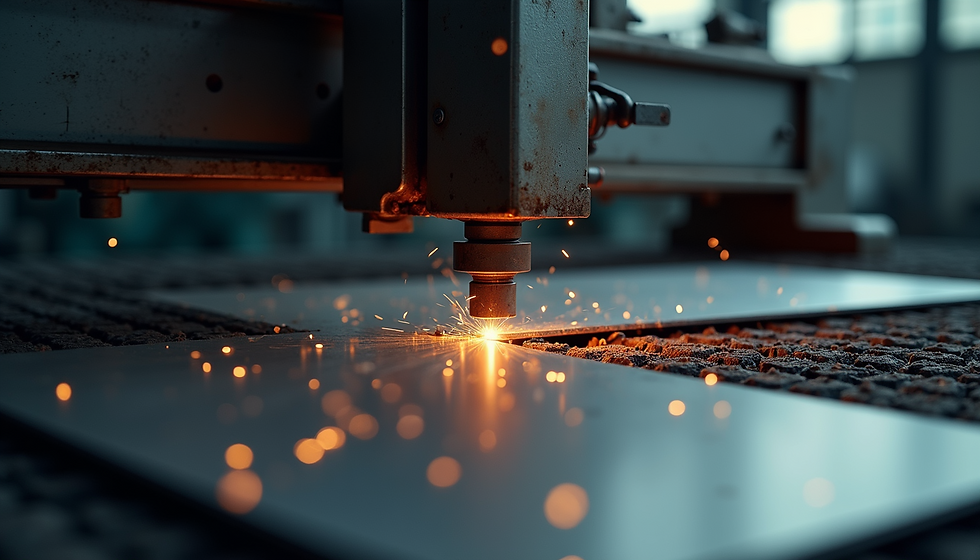
Custom fabrication workshop with organized machinery and materials ready for a project
Why Customer Focus Matters in Custom Fabrication
Custom fabrication is inherently tailored, but many projects still fall short because they overlook the customer’s broader needs. Fabricators might deliver a technically perfect product that doesn’t fit the client’s operational workflow or budget constraints.
A customer-centric approach means:
Understanding the client’s industry and specific challenges
Communicating clearly and regularly throughout the project
Adapting designs based on client feedback
Providing solutions that align with the client’s long-term goals
This approach reduces costly revisions, speeds up delivery, and builds trust. Clients feel heard and valued, which often leads to repeat business and referrals.
Building Strong Client Relationships
The foundation of a customer-centric project is a strong relationship. Fabricators should invest time in learning about the client’s business and project objectives before starting any design or fabrication work.
Key steps include:
Initial consultation: Ask detailed questions about the project’s purpose, environment, and constraints.
Site visits: Whenever possible, visit the client’s location to see where and how the fabricated parts will be used.
Regular updates: Schedule progress meetings or calls to keep the client informed and involved.
Feedback loops: Encourage clients to share their thoughts on prototypes or early samples.
For example, a fabricator working with a food processing company might discover that certain materials are unsuitable due to hygiene regulations. Early communication prevents costly mistakes and ensures compliance.
Customization Through Collaboration
Custom fabrication thrives on collaboration. Instead of presenting a finished design upfront, fabricators should involve clients in the design process. This collaboration can include:
Sharing 3D models or drawings for client review
Discussing alternative materials or fabrication methods
Adjusting dimensions or features based on client input
This iterative process helps clients visualize the final product and feel confident in the choices made. It also uncovers potential issues early, such as compatibility with existing equipment or installation challenges.
For instance, a fabricator creating a custom machine frame worked closely with the client’s engineering team to modify mounting points, resulting in easier assembly and maintenance.
Clear Communication and Transparency
Clear communication is essential to avoid misunderstandings and build trust. Fabricators should explain technical details in simple terms and be upfront about timelines, costs, and potential risks.
Tips for effective communication:
Use visuals like sketches or photos to clarify complex ideas
Provide detailed quotes with breakdowns of labor, materials, and other costs
Set realistic deadlines and update clients if delays occur
Document all agreements and changes in writing
Transparency helps clients make informed decisions and reduces surprises. When a project hits a snag, honest communication allows for quick problem-solving rather than blame.
Quality Control with the Customer in Mind
Quality control is often seen as an internal process, but involving the customer can improve results. Fabricators can invite clients to inspect prototypes or samples before full production. This step ensures the product meets expectations and allows for last-minute adjustments.
For example, a fabricator producing custom stainless steel tanks invited the client to review weld quality and finish. The client requested minor changes that improved the tank’s usability in their specific application.
Delivering Value Beyond the Product
A customer-centric approach extends beyond the physical product. Fabricators can add value by offering:
Installation support or training for client staff
Maintenance advice or service agreements
Documentation such as manuals or CAD files for future reference
These extras show commitment to the client’s success and differentiate fabricators from competitors who focus solely on production.
Case Study: Tailoring a Custom Conveyor System
A manufacturing company needed a conveyor system to fit a tight space and handle fragile products. The fabricator began by visiting the site and discussing the client’s workflow. They proposed a modular design that could be adjusted as production needs changed.
Throughout the project, the fabricator shared design updates and prototypes. The client suggested adding adjustable speed controls and safety guards. The fabricator incorporated these features, delivering a system that improved efficiency and safety.
This collaborative, customer-focused process resulted in a solution that exceeded expectations and strengthened the client relationship.
Tips for Fabricators to Adopt a Customer-Centric Mindset
Listen actively: Pay close attention to client concerns and goals.
Ask questions: Clarify unclear points to avoid assumptions.
Be flexible: Adapt designs and processes to meet client needs.
Educate clients: Help them understand options and implications.
Follow up: Check in after project completion to gather feedback.
By focusing on the customer, fabricators can create projects that are not only technically sound but also truly useful and appreciated.
Customer-centric custom fabrication projects build trust, reduce errors, and deliver solutions that fit real-world needs. Fabricators who prioritize client collaboration, clear communication, and ongoing support stand out in a competitive market. The next time you start a custom project, put the customer first and watch your results improve.
What steps will you take to make your next fabrication project more customer-focused? Share your thoughts or experiences below.

Comments